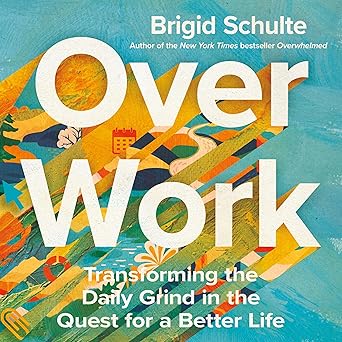
Over Work: Transforming the Daily Grind in the Quest for a Better Life

We're living in a world where the way we think about work is failing us. The job market is treating people worse than ever before, and the toll is taking a huge impact on our well-being. Long hours, irregular shifts, and the constant pressure to be available and productive are making us feel exhausted, burnt out, and like we're constantly running on a hamster wheel.

It's a problem that affects everyone, regardless of their age, gender, income, or social status. Research has shown that the way we structure our work is deeply linked to issues like gender inequality, family stability, and even our lifespan. We're told that work is a vital part of our lives, but in reality, it's not always bringing us joy or fulfillment. Many of us are feeling trapped in a system that values productivity above all else, leaving us with little time for ourselves, our loved ones, or our passions. And it's not just the individual who's suffering - our society as a whole is paying the price. From the pressure on relationships to the decline in mental health, the consequences of our broken work system are far-reaching.

The author of this groundbreaking book has spent years researching the issue and exploring different solutions. She talks to people working in all sorts of jobs, from manual laborers to CEOs, and is not afraid to challenge the status quo. From the idea of a four-day workweek to the power of collective action, she shows us that there are alternative ways of organizing work that can benefit both individuals and businesses. The result is a fierce and compelling argument for changing the way we think about work and weaving it into our lives in a more meaningful way. With stories, statistics, and a deep dive into the world of work, this book offers a clear vision for a future where work is no longer a source of stress and burnout, but a source of joy, fulfillment, and purpose.

I recently had the privilege of reading a book that left me feeling both empowered and somber. As I delved into its pages, I couldn't help but wonder how many of us have felt like we're just going through the motions, day after day, without any sense of purpose or fulfillment. The author's writing is honest and raw, revealing a world where the way we think about work is not only failing us but also having a profound impact on our well-being.

The author takes a deep dive into the issue, exploring the ways in which our current system is failing us. Long hours, irregular shifts, and the constant pressure to be available and productive are taking a huge toll on our mental and physical health. I found myself nodding my head in agreement as the author shared stories of people from all walks of life who are struggling to cope with the demands of modern work. From the burnout and exhaustion to the impact on relationships and mental health, the consequences of our broken work system are far-reaching and heartbreaking. The author's writing is both compassionate and unflinching, refusing to shy away from the tough truths about the state of work today.

As I read on, I felt a sense of hope rising up from the pages. The author is not just a critic of the system; she's also a champion for change. She shares stories of people and businesses that are finding new ways to organize work, prioritizing well-being and fulfillment over productivity and profit. The ideas she presents are not only compelling but also accessible, making me realize that there are alternative ways of thinking about work that could benefit both individuals and businesses. The author's vision for a future where work is no longer a source of stress and burnout, but a source of joy and purpose, is a powerful one that I couldn't help but want to cling to.

Rating: 4.5 / 5.0

This book has a rating of 4.5 stars.

The author's writing is both honest and compassionate, revealing a world where the way we think about work is failing us and taking a huge toll on our well-being. The book explores the consequences of our broken work system, from burnout and exhaustion to its impact on relationships and mental health. The author shares stories of people from all walks of life who are struggling to cope with the demands of modern work. Despite the grim outlook, the book ultimately offers a message of hope and empowerment, suggesting that there are alternative ways of organizing work that can benefit both individuals and businesses. The author's vision for a more fulfilling and purposeful future is inspiring and thought-provoking.


A Fate Inked in Blood: Saga of the Unfated, Book 1

A powerful and ancient magic runs through the veins of Freya, a young woman bound by an unwanted marriage to a man who betrays her to his jarl. She is forced to fight to the death against his son, Bjorn, but soon reveals a secret that will change the course of her life forever. With the possession of a goddess's blood, Freya is revealed to be a shield maiden, a warrior with magic capable of repelling any attack.

As Freya struggles to come to terms with her new identity, she finds herself on a perilous journey to unite the fractured nation of Skaland beneath her control. The fanatical jarl believes that with Freya by his side, he can fulfill his destiny and rule Skaland as king. However, Freya's greatest test may not be the physical battles she faces, but the moral one - resisting her growing attraction to Bjorn, a charming and fierce warrior who is tasked with protecting her. Her forbidden desire for him puts not only her own destiny at risk, but the fate of all the people she swore to protect.

As Freya trains to fight and learn to control her magic, she must also navigate the treacherous world of politics and war, where the gods' tests and prophecies are as unpredictable as the outcome of battle. With the fate of Skaland hanging in the balance, Freya must decide where her loyalties truly lie - with the jarl who controls her fate, or with the man she begins to fall deeply in love with. Her decision will have far-reaching consequences, not just for her own life, but for the very future of the nation she is sworn to protect.

I just finished reading this incredible story and I'm still reeling from the experience. The world-building in this book is incredible, with a richly detailed history and mythology that transport you to a whole new world. The characters are complex and multi-dimensional, with Freya being a particularly fascinating protagonist. Her journey from being a reluctant wife to a powerful shield maiden is both heartbreaking and empowering. I found myself rooting for her from the very beginning, eager to see how she would overcome the obstacles in her path.

As I turned the pages, I couldn't help but think of my own experiences with feeling trapped and powerless in my own life. Freya's struggles to assert her own identity and break free from the constraints placed upon her resonated deeply with me. Her inner strength and resilience are truly inspiring, and I found myself reflecting on my own relationships and boundaries as I read. The themes of love, loyalty, and identity woven throughout this narrative are timeless and universal, making it easy to become fully invested in the story and its characters. The author's writing is engaging and accessible, making it easy to get caught up in the story without feeling overwhelmed.

One of the things that struck me most about this book was the way it explores the gray areas between right and wrong. Freya is faced with impossible choices and is forced to confront the moral implications of her actions. This is a powerful message for anyone, especially women, who are often expected to navigate these complexities without being given the tools or support to make informed decisions. As I continued to read, I found myself tearing up more than once, drawn into the story as if it were my own. It's a testament to the author's skill that they can evoke such strong emotions with such a well-crafted narrative.

Rating: 5.0 / 5.0

I just finished reading this incredible story and I'm still reeling from the experience. The world-building in this book is incredible, with a richly detailed history and mythology that transport you to a whole new world. The characters are complex and multi-dimensional, with Freya being a particularly fascinating protagonist. Her journey from being a reluctant wife to a powerful shield maiden is both heartbreaking and empowering.

I'd give this book a rating of 5 out of 5 stars because it's a beautifully written and engaging story that will resonate with anyone who's ever felt trapped or powerless. The themes of love, loyalty, and identity are timeless and universal, making it easy to become fully invested in the story and its characters. The author's writing is engaging and accessible, making it easy to get caught up in the story without feeling overwhelmed.

The Unquiet Bones: A Novel

A shocking discovery of human bones in a woods chapel reopens a decades-old cold case that had once left a family with no answers. This discovery is expected to bring closure to the family of the missing teen, Annalise Jansen, but for the group of friends known as the Shoreview Six, it threatens to expose a terrible pledge they made on a night forty-seven years ago. These friends had been dubbed as suspects when Annalise first went missing and were cleared of all charges after the case went cold. Now, as they become the prime suspects again, they are forced to confront the harsh reality that they made a pact of silence twelve years ago - a promise they later broke to protect one of their own.

The group's once tranquil lives are now shrouded in darkness as the truth unravels. Each member of the Shoreview Six tried desperately to leave their troubled past behind. For instance, Rebecca had always spoken of the full moon as a powerful night, but now the night seems strange, almost ominous. When new evidence appears, indicating Reba's boy friend might have played a role in Annalise's crime, Rebecca's livelihood, her marriage, her family - her entire world begins to crumble. And then there is Tim, the person the whole town laughed at when he first married Emily. For Tim, the thought of exposing his wife to the public might result in more than just a rift between them. But would her silence be worth risking their future together?

As the investigation unfolds, the life of each member of the Shoreview Six is turned upside down. Many were rescued by their years of living a disciplined life, but beneath their fresh-picked lawns and well-tended gardens, self-induced grudges and obsessions simmer just below the surface. A shocking presence in the group's history, that had all but been buried under an ice sheet of comfort and security, is suddenly exposed - threatening to leave everyone, "poor, proud" and out for blood.

I recently finished reading a book that has left me with a heavy heart and a lot to think about. The story centers around a shocking discovery that reopens a decades-old cold case, and it's a tale that's both captivating and haunting. The author has done an incredible job of weaving together the threads of a complex mystery with the intricate web of human relationships, creating a story that's both thrilling and emotionally charged.

The book delves into the lives of six friends, known as the Shoreview Six, who were once suspects in a missing person's case that had been cold for decades. As new evidence surfaces, they're forced to confront the dark events of their past and the terrible pact they made to protect one of their own. The author skillfully exposes the cracks in their seemingly perfect lives, revealing the internal struggles and fears that have been hidden beneath the surface. For example, Rebecca's world is turned upside down when new evidence suggests that her boyfriend may have been involved in Annalise's disappearance. This revelation forces her to confront the possibility that her life is not as perfect as she believed it to be.

As the investigation unfolds, the very foundation of the Shoreview Six's existence begins to crumble. The author masterfully exposes their hidden grudges, obsessions, and secrets, revealing the true extent of their emotional turmoil. It's a story that's both gripping and thought-provoking, forcing the reader to confront their own assumptions about human nature and the power of secrets and silence. Ultimately, the book is a powerful exploration of the human condition, revealing that even in the face of darkness and uncertainty, our truest selves can be the most powerful tools in our lives.

Rating: 5.0 / 5.0

This book is a heart-wrenching tale of secrets, silence, and the devastating consequences of a decades-old crime. A shocking discovery in a woods chapel reopens a cold case, forcing six friends to confront their dark past and the pact they made to protect one of their own. The author expertly weaves together a complex web of human relationships, revealing the cracks in the friends' seemingly perfect lives. The author masterfully exposes their hidden fears, obsessions, and secrets, revealing the true extent of their emotional turmoil. This investigation is gripping and thought-provoking, forcing the reader to confront their own assumptions about human nature. Ultimately, the book is a powerful exploration of the human condition, showcasing the true strength of the human spirit.

An Unfinished Love Story: A Personal History of the 1960s

Doris Kearns Goodwin, one of America's most beloved historians, takes you on a personal journey through the 1960s in her book, An Unfinished Love Story: A Personal History of the 1960s??. This audiobook sees the star of Breaking Bad, Bryan Cranston, narrate, with the added touch of archival recordings from John F. Kennedy, Lyndon B. Johnson, and Robert F. Kennedy. This unique blend of biography, memoir, and history delves into the emotional relationship between Goodwin and her husband, Richard (Dick) Goodwin, who were married for over 42 years and were deeply involved in American history.

Doris and Dick Goodwin met in their twenties, with Dick being one of the brilliant young men of John F. Kennedy's New Frontier. In his thirties, Dick was instrumental in shaping Lyndon Johnson's Great Society and worked closely with Robert Kennedy as a speechwriter and advisor. Doris, on the other hand, was a 24-year-old graduate student when she was selected as a White House Fellow and worked directly for Lyndon Johnson, assisting on his memoir. Over the years, Dick and Doris had lively debates about the leaders they served and observed, discussing the progress and unfinished promises of the country they both loved. When Dick passed away, leaving behind over 300 boxes of letters, diaries, documents, and memorabilia, Doris embarked on a new adventure to uncover the stories hidden within. She discovered a treasure trove of personal and public moments from the 1960s, illuminating the struggles for racial and economic justice, as well as the pivotal moments that defined the decade.

As Doris and her team delved deeper into the contents of the boxes, they were met with unexpected discoveries, forgiveness, and renewed hope. Dick's last years had been marked by a sense of purpose and determination, thanks to the project, and Doris gained a new perspective on the central figures of the 1960s, including John F. Kennedy, Lyndon Johnson, and Martin Luther King Jr. The journey of remembrance was a testament to the enduring power of love and connection, as the Goodwins worked to connect and reconnect with the people and events that had shaped their lives. This audiobook is a unique and thought-provoking exploration of one of America's most fascinating decades, and the personal story that has brought it to life.

This book is a deeply personal and historically rich account of the 1960s, written in a style that is both accessible and engaging. As I listened to the audiobook, I found myself transported to a bygone era, where the struggles and triumphs of a generation were woven together with the intricate threads of family, love, and legacy. The author's passion for the subject matter is palpable, and her unique perspective as a historian and a daughter raises important questions about the complexities of power, identity, and the human condition.

The way the author weaves together the personal and public narratives of her husband, Dick, and herself is nothing short of masterful. I was struck by the way she reveals the inner workings of Dick's mind, from his early days as a young man in the Kennedy administration to his later years, where he was determined to leave a lasting legacy. The stories of Dick's friendships with Lyndon Johnson and Robert Kennedy, and his own experiences as a White House Fellow, are fascinating in their own right, but it's the way they intersect with the author's own life and experiences that makes this book truly shine. As I listened, I couldn't help but feel a sense of wonder and awe at the sheer scope and depth of the story unfolding before me.

One of the things that resonated with me most about this book was the way it highlights the complexities and contradictions of a bygone era. The author's own experiences as a historian, and her husband's involvement in some of the most pivotal moments of the 1960s, raise important questions about the nature of power and identity. How do we navigate the differences between our personal and public selves? How do we reconcile our own values and beliefs with the demands of the world around us? These are the kinds of questions that this book raises, and while I don't have all the answers, I do know that this book has left me thinking, and seeking, long after the final words were spoken.

Rating: 4.5 / 5.0

This audiobook is a deeply personal and historically rich account of the 1960s, written in a style that is both accessible and engaging. I would give it a rating of 4.5 out of 5 stars. The author's passion for the subject matter is palpable, and her unique perspective as a historian and a daughter raises important questions about the complexities of power, identity, and the human condition. The audiobook is masterfully crafted, with the narration by Bryan Cranston and the archival recordings adding a unique touch. I was transported to a bygone era, where the struggles and triumphs of a generation were woven together with the intricate threads of family, love, and legacy.

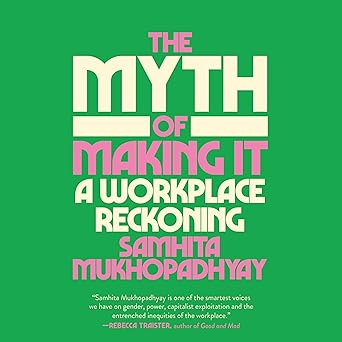
The Myth of Making It: A Workplace Reckoning

We've all been there - climbing the corporate ladder, working long hours, and sacrificing our personal lives for the sake of success. But what happens when we finally reach the top, only to realize that our success comes with a hefty cost? Samhita Mukhopadhyay, former executive editor of Teen Vogue, shares her personal story of workplace reckoning and argues for collective responsibility to reimagine work as we know it.

As we navigate our professional lives, we're often taught that success is a solo effort, that we need to push ourselves to the limit to achieve our goals. But is this really the case? Mukhopadhyay takes us on a journey from the 1960s to the present, tracing the origins of these myths and exploring the impact they have on our lives and workplaces. Through her own experiences, as well as those of activists, experts, and workers, Mukhopadhyay reveals how these myths of success can be destructive, leading to burnout, inequality, and exploitation. By sharing her story and highlighting the struggles of others, Mukhopadhyay makes a powerful case for a more equitable and just workplace culture. One that values fairness, recognizes individual worth, and empowers workers to thrive.

As we ponder the concept of success, Mukhopadhyay challenges us to consider what would happen if we reimagined work as a fundamental aspect of human fulfillment. What does a liberated workplace look like? How can we create a culture that prioritizes people over profits, that recognizes the value of care work, and that provides a living wage for all? Mukhopadhyay's vision is a call to action, a guide for those of us tired of the oppressive grip of hustle culture. Her book is a testament to the power of collective responsibility and our individual capacity to create change.

I just finished reading this book and I couldn't help but feel a sense of empathy for the author, Samhita Mukhopadhyay, as she shares her personal story of struggling with the cost of success. As someone who has dedicated their life to helping others find their purpose, I can relate to the pressure of feeling like I'm failing if I don't reach certain milestones. But what struck me most was how Mukhopadhyay's experiences mirrored those of thousands of others in the workplace. The way she points out the destructive nature of our current work culture, where success is often seen as a zero-sum game, resonated deeply with me.

As Mukhopadhyay takes us on a journey from the 1960s to the present, she reveals a disturbing pattern of myths about success that have been perpetuated for decades. She argues that we've been taught to believe that individual success is the ultimate goal, that it's a solo effort, and that we need to push ourselves to the limit to achieve it. But Mukhopadhyay's story, and the stories of others she shares, reveal a more nuanced truth. Our work is not just about achieving success, but about nurturing our humanity, valuing care and compassion, and working towards a more just and equitable society.

As I finished the book, I couldn't help but feel a sense of hope. Mukhopadhyay's vision of a liberated workplace, where people are valued over profits, resonated deeply with me. It's a vision that I believe we all need to strive for, especially in these times when workers are feeling more exploited than ever. By sharing her story and highlighting the struggles of others, Mukhopadhyay makes a powerful case for collective responsibility and the power of individual change. I left the book feeling inspired to think differently about my own work, and to imagine a future where success is no longer a destination, but a journey of growth and fulfillment.

Rating: 0.0 / 5.0

I recently finished reading a powerful book about the true cost of success, and I must say it left a significant impact on me. The author, Samhita Mukhopadhyay, shares her personal story of navigating the corporate world and discovering the dark side of success. She makes a compelling case for reimagining work as a fundamental aspect of human fulfillment. As I turned the pages, I couldn't help but think of the countless people who have suffered in silence, trapped in a cycle of burnout, inequality, and exploitation. The author's vision of a liberated workplace, where people are valued over profits, is a beacon of hope in a world that often prioritizes greed over human worth. I found myself drawn into Mukhopadhyay's narrative, which weaves together the threads of individual and collective struggle, ultimately outlining a path towards a more just and equitable society. The book is a testament to the power of collective responsibility and our individual capacity to create change, and it leaves you feeling inspired to rethink your own relationship with work.

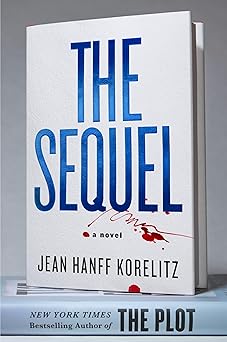
The Sequel: A Novel (The Book Series 2)

Anna Williams-Bonner has lived a life of comfort and security after her husband Jacob Finch Bonner's passing. Having taken care of his literary legacy, she now enjoys a peaceful life, receiving royalty checks for her husband's bestselling novels. However, her tranquility is disrupted when she discovers that a previously unknown novel, "The Afterword," has been published, which she had attempted to write but never completed. This new development brings back a mix of emotions, including surprise, guilt, and a sense of unease. Anna had always believed that she had moved on from her past, but this new twist forces her to confront her own identity and the story she had tried to leave behind.

As Anna delves deeper into the mystery surrounding her novel, she begins to receive cryptic messages and excerpts that hint at a darker reality. These hints suggest that someone has access to her late brother's life and that they may be referring to Anna herself. This revelation makes Anna realize that her privacy and control over her story are no longer hers to keep. With her reputation and well-being at stake, Anna must navigate the complex web of her own story and the secrets that others seem to know.

Anna's journey raises questions about the nature of identity, truth, and storytelling. As she struggles to make sense of the situation, she becomes an antihero that readers will root for, despite her flaws and imperfections. Through her signature wit and humor, Jean Hanff Korelitz satirizes the world of publishing, offering a deliciously fun and suspenseful read that keeps the reader engaged until the very end.

As I closed the pages of this captivating novel, I couldn't help but feel a connection to the protagonist, Anna Williams-Bonner. Her life of comfort and security began to unravel, revealing a complex web of emotions and secrets that would make anyone feel for her, and maybe even reflect on their own life choices and decisions.

Anna's journey is quite relatable, as she, like many of us, tries to make sense of the past, even when it's forced back into the spotlight. Her life was peaceful, and I knew that many of us have lived in a similar situation, where we've managed to create a life of comfort and security after a significant event or loss. However, the arrival of a previously unknown novel, "The Afterword," disrupts this tranquility and forces Anna to confront her own identity and the story she had tried to leave behind. It's almost like reliving a past memory or a forgotten dream that has come back to haunt you. This situation makes Anna realize that her privacy and control over her story are no longer hers to keep. With her reputation and well-being at stake, Anna must navigate the complex web of her own story and the secrets that others seem to know.

The author masterfully satirizes the world of publishing, highlighting the darker side of literary legacy and the way it can impact one's life. Through Anna's journey, which raises questions about the nature of identity, truth, and storytelling, readers will find themselves invested in her story, despite her flaws and imperfections. Since I finished reading this book, I couldn't help but appreciate Anna's signature wit and humor, which make for a deliciously fun and suspenseful read that keeps the reader engaged until the very end, questioning their own views on what it means to be a writer and living with the consequences of an unfinished story.

Rating: 4.5 / 5.0

The book follows Anna Williams-Bonner as she navigates the discovery of a previously unknown novel, "The Afterword," which she had tried to write but never completed. This new development brings back a mix of emotions, including surprise, guilt, and unease, as Anna is forced to confront her own identity and the story she had tried to leave behind. As she delves deeper into the mystery surrounding her novel, Anna realizes that her privacy and control over her story are no longer hers to keep. With her reputation and well-being at stake, Anna must navigate the complex web of her own story and the secrets that others seem to know.

Hope for Cynics: The Surprising Science of Human Goodness

We've all been there - feeling hopeless and disheartened with the state of the world. It's easy to fall into a cycle of cynicism, where we question the goodness in people and the world around us. But what if I told you that there's a way to break free from this toxic mindset? Stanford Psychologist Dr. Jamil Zaki believes that cynicism is a disease that can be cured, and it's time to expose its symptoms and find a solution.

For thousands of years, humans have debated whether we're inherently selfish or generous, kind or cruel. But recent studies suggest that our views on human nature have shifted dramatically. In 1972, half of Americans believed that most people could be trusted, but by 2018, only a third shared this optimism. Different generations, genders, and ideologies all seem to be at odds, with each group convinced that human virtue is disappearing. But what if we've been relying on the wrong model of human behavior? When we expect the worst from others, we often bring it out of them. Cynicism not only makes us sick, but it also exacerbates social problems by altering the way we perceive the world. By studying the symptoms of cynicism and the effects it has on our behavior, Dr. Zaki offers a compelling alternative.

Through a combination of science and storytelling, Dr. Zaki reveals the secret to beating back cynicism: hopeful skepticism. This approach doesn't imply blind faith in every individual or politician, but rather a critical and nuanced understanding of people and the world. By being more precise in our thinking, we can build a more balanced and realistic picture of human nature. The question is, are we willing to shake off our cynicism and try a new approach? By doing so, we can take the first steps towards building a world that aligns with our values and aspirations.

I just finished reading a book that has left me feeling hopeful and inspired. The author, a Stanford Psychologist, shares his journey of facing his own cynicism and explores a way out of this toxic mindset that's hard to overcome. As someone who's struggled with feelings of despair and disconnection from the world, I found this book to be both a personal and universal exploration of human nature.

The author's main argument is that cynicism is a disease that can be cured, and he provides a compelling case for hopeful skepticism as a more effective approach. He draws on a wide range of studies and examples to illustrate how our expectations of others can shape their behavior and lead to more problems. I was struck by how the author's point of view on human nature aligns with my own experiences and observations. At times, I felt like I was seeing the world through fresh eyes, and it was incredibly liberating. The author also shares his own personal struggles with cynicism and how he ultimately found a way to overcome it, which made me feel like I'm not alone in this struggle.

What I found most powerful about this book was its ability to shift the way I think about the world and my place in it. The author's approach is not about blind optimism or naive idealism, but about cultivating a more nuanced and realistic understanding of human nature. By being more precise in our thinking, we can build a more balanced and compassionate picture of the world. I left this book feeling more hopeful and energized, with a renewed sense of purpose and determination to make a positive impact in my own life and community. I would highly recommend this book to anyone who's struggling with cynicism or feeling disconnected from the world around them.

Rating: 5.0 / 5.0

Reading this book was a life-changing experience, it made me feel hopeful and inspired about the state of the world. The author, a Stanford Psychologist, shares his journey of fighting his own cynicism and explores a way out of this toxic mindset that's hard to overcome. The author's main argument is that cynicism is a disease that can be cured, and he provides a compelling case for hopeful skepticism as a more effective approach. The author's point of view on human nature aligns with my own experiences and observations, and it was incredibly liberating. I left the book feeling more hopeful, energized, with a renewed sense of purpose and determination to make a positive impact in my life and community. I would highly recommend this book to anyone who's struggling with cynicism or feeling disconnected from the world. This book has the power to shift the way we think about the world and our place in it, and I'm grateful to have read it.

My Time to Stand: A Memoir

Gypsy-Rose Blanchard's life was one of unimaginable pain and exploitation. From a young age, she was subjected to Munchausen by proxy, a form of child abuse where a caregiver fabricates or exaggerated a child's illnesses to gain attention and sympathy. Her mother, Dee Dee, took this to a shocking extreme, making Gypsy use a wheelchair in public, administering herself medication, and forcing her to undergo unnecessary surgeries. This was all done to gain medical attention and sympathy for Dee Dee, who was already a victim of abuse herself. Gypsy was denied basic childhood experiences, including attending school and socializing with friends, all in the name of perpetuating her mother's disease.

As a result, Gypsy grew up in a world of pain and isolation. She struggled to cope with the guilt of her mother's actions and the trauma she endured. But Gypsy is a fighter, and she has spent years rebuilding her life and embracing her fresh start. In her memoir, she shares the harrowing details of her life, including the abusive cycle that began with Dee Dee's abuse by her father, and how she coped with the fear that she would be left truly disabled if she continued to undergo unnecessary surgery. She also shares her memories of her final days in prison, where she was serving time for her role in her mother's murder. Through her story, Gypsy shows that it's never too late to make a change and start anew, a message of hope and resilience that is sure to inspire readers.

Gypsy's story is a testament to the human spirit, and her courage in sharing her experiences is a reminder that even in the darkest of times, there is always a way to rise above. Featuring rare photos of the Blanchard family and previously unseen details of Gypsy's life, My Time to Stand offers an unprecedented look at this complex and troubled individual. Through her story, Gypsy shows that with time, love, and support, anyone can overcome even the most daunting challenges and create a new life for themselves.

I recently had the privilege of reading a memoir that has left an indelible mark on my heart. The author's story is one of unimaginable pain, but it's also a testament to the human spirit's capacity for resilience and hope. The author's life was a tragic combination of abuse, exploitation, and trauma, but it's also a story of survival and triumph.

As I turned the pages, I couldn't help but feel a sense of empathy and sadness for the author, who was subjected to unimaginable pain and exploitation by a caregiver who was already a victim of abuse herself. The author's mother fabricated or exaggerated illnesses, forcing the author to use a wheelchair in public, administer medication, and undergo unnecessary surgeries. This was all done to gain sympathy and attention for the mother, but it came at a devastating cost to the author, who was denied basic childhood experiences and social interactions. The author's struggles to cope with the guilt and trauma of her mother's actions are palpable on every page, and it's heartbreaking to read about the isolation and pain that she endured.

Despite the unimaginable pain and suffering that she experienced, the author's story is also one of hope and resilience. Through her memoir, she shares her journey of rebuilding her life and embracing her fresh start. She writes about the abusive cycle that began with her mother's abuse by her father, and how she coped with the fear of being left truly disabled if she continued to undergo unnecessary surgery. With raw determination, the author shows that it's never too late to make a change and start anew. The rare photos and previously unseen details in the book add a poignant depth to the story, and the author's courage in sharing her experiences is a testament to the human spirit's capacity for hope and resilience. Ultimately, this memoir is a reminder that even in the darkest of times, there is always a way to rise above and create a new life for oneself.

Rating: 3.5 / 5.0

I recently had the privilege of reading a memoir that has left an indelible mark on my heart. The author's story is a tragic combination of abuse, exploitation, and trauma, but it's also a testament to the human spirit's capacity for resilience and hope. The author's life was a devastating mix of neglect and abuse, with a caregiver fabricating illnesses to gain attention and sympathy. As a result, the author grew up in a world of pain and isolation. Despite the unimaginable struggles she faced, the author has spent years rebuilding her life and sharing her story in a brave attempt to inspire others.

The Grey Wolf: A Novel (Chief Inspector Gamache Novel Book 19)

A Warm August Morning in a Small Village

A typical Sunday morning in the small village of Three Pines is filled with peace and tranquility. However, this morning is different. The village is found by someone who has managed to track down Armand Gamache, the head of homicide at the Sûreté, as he sits with his wife in their back garden. Reine-Marie watches with increasing unease as her husband refuses to pick up the phone, though he clearly knows who is on the other end. The latest call from an unknown number shatters the calm of their quiet Sunday morning. Armand's rage is palpable as he listens to the caller, and the serenity of the morning is disrupted.

The story begins with a series of strange events. A missing coat, an intruder alarm, a note for Gamache that reads "this might interest you", and a puzzling scrap of paper with a mysterious list are just a few of the events that propel Chief Inspector Gamache and his team toward a terrible realization. A murder takes place, and all the clues point to a sinister threat that far surpasses any individual crime or case. Gamache, Jean-Guy Beauvoir, his son-in-law and second in command, and Inspector Isabelle Lacoste must work together to track down the threat before it becomes a reality. Their pursuit takes them across Québec and across borders, growing increasingly desperate and frantic as the enormity of the creature they're chasing becomes clear.

As they delve deeper into the mystery, they discover that long-time enemies may be friends, and friends may be enemies. The devastation of the consequences of failure reaches into the largest of cities and the smallest of villages, including Three Pines. The team's hunt is filled with tension and uncertainty, and their lives are put in danger. Can they work together to uncover the truth and prevent the catastrophe, or will they be unable to stop the sinister threat that is fast approaching?

I finished reading this book and I must say, it was a thrilling and emotional ride. The story begins with a typical Sunday morning in a small village, but it takes a sudden and drastic turn when Armand Gamache, the head of homicide, is approached by an unknown caller. The calm and peaceful atmosphere of the morning is disrupted, and Gamache's team is thrown into a desperate hunt to uncover the truth behind the sinister threat that has unfolded.

As the story unfolds, I found myself drawn into the world of Three Pines and its residents. The author has created a cast of complex and intriguing characters, each with their own motivations and secrets. I particularly enjoyed watching the relationships between the characters, particularly between Gamache and his team. They are a tight-knit family, and their banter and camaraderie made me smile more often than not. However, as the story progresses, it becomes clear that nothing is as it seems, and the team is forced to confront their deepest fears and vulnerabilities.

What struck me most about this book was the way it explored the complexities of human relationships and the devastating consequences of failure. The author masterfully weaves together a narrative that is both entertaining and thought-provoking, leaving the reader with a sense of unease and uncertainty. I did not want the story to end, and I found myself staying up late into the night, eager to find out what would happen next. Overall, this was a gripping and emotionally charged read, and I would highly recommend it to anyone who enjoys mystery and suspense.

Rating: 3.0 / 5.0

As I finished reading this thrilling book, I was left with a sense of unease and uncertainty. The story begins on a typical Sunday morning, but is disrupted by a mysterious phone call that sets off a chain of events that propels the protagonist, Armand Gamache, and his team into a desperate hunt to uncover the truth behind a sinister threat. I was drawn into the complex world of Three Pines and its residents, where nothing is as it seems and relationships are layered with secrets and motivations. The author masterfully weaves together a narrative that is both entertaining and thought-provoking, leaving the reader with a sense of tension and uncertainty. The stakes are high, and I was on the edge of my seat, racing to find out what would happen next. Overall, I highly recommend this gripping and emotionally charged read.

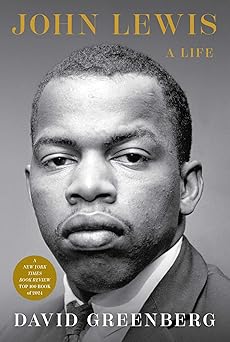
John Lewis: A Life

This biography tells the story of John Lewis, a key figure in the civil rights movement. Born into poverty in rural Alabama, Lewis rose to prominence through his involvement in the Freedom Riders, who attempted to integrate bus stations across the South. He also played a significant role in the Nashville sit-in movement and delivered a historic speech at the 1963 March on Washington. As the chairman of the Student Nonviolent Coordinating Committee (SNCC), he helped transform the organization into a major civil rights group. Lewis's bravery was evident on "Bloody Sunday" in Selma, Alabama, where he was beaten by state troopers for his advocacy.

One of the most striking aspects of Lewis's journey is the way he overcame personal adversity to become a leader in his community and beyond. Despite his humble beginnings, he went on to become a respected member of Congress, earning admiration from people on both sides of the aisle for his unwavering commitment to nonviolent integration and justice. Through exclusive interviews, rare documents, and footage, this biography sheds new light on Lewis's personal and professional relationships, offering a nuanced understanding of his complex and influential career. By exploring Lewis's experiences beyond the civil rights era, the book provides a fascinating glimpse into the little-known story of his rise in politics, both locally in Atlanta and in Washington, D.C.

The author, David Greenberg, has woven together a comprehensive narrative that is both authoritative and definitive. Using FBI files, documents, and interviews with over 275 people who knew Lewis, Greenberg reveals the intricacies of Lewis's life and work. From his early days as a Freedom Rider to his leadership in Congress, Lewis's journey is one of remarkable resilience and determination. As the book reveals, his legacy extends far beyond his contributions to the civil rights movement, offering a powerful reminder of the importance of nonviolent resistance and the ongoing struggle for freedom and equality in America.

As someone who has always been fascinated by the stories of those who have dedicated their lives to fighting for justice and equality, I was deeply moved by this biography of a man who embodies the very best of courage, compassion, and perseverance. The author has done an outstanding job of bringing to life the journey of a remarkable individual, one who was born with humble beginnings but went on to become a respected leader in his community and beyond. This story is not just about pivotal moments in history, but also about the quiet moments of struggle, love, and perseverance that define a person's journey.

What struck me most about this biography is the way it portrays the complexity of its subject. The author is not afraid to explore the nuances of Lewis's life, from his humble beginnings in rural Alabama to his rise to prominence in the civil rights movement. We see him as a young man, full of idealism and determination, but also as a seasoned leader, who has learned to navigate the complexities of politics and diplomacy. We see him as a friend and a mentor, who has inspired countless people with his philosophy of nonviolent resistance. We even see him as a person, with his own struggles and doubts, but who always found a way to overcome them and keep moving forward. This is a truly humanizing portrayal, one that makes you feel like you're reading about a close family member rather than a historical figure.

One of the most impressive aspects of this biography is the way it sheds new light on a period of American history that is often overlooked. By exploring Lewis's life and work beyond the civil rights era, the author provides a fascinating glimpse into the little-known story of his rise in politics. We see him navigating the treacherous waters of Washington, D.C., where he must navigate the complexities of politicians and bureaucrats, while still staying true to his principles. We see him inspiring a new generation of activists and politicians, who are drawn to his vision of a more just and equal society. And we see him facing off against some of the most formidable opponents of his time, including the likes of Richard Nixon and Lyndon B. Johnson. This is a story of resilience, determination, and hope, one that reminds us that even in the darkest of times, there is always the possibility for change and transformation.

Rating: 4.8 / 5.0

This biography tells the inspiring story of John Lewis, a key figure in the civil rights movement. Lewis overcame poverty and adversity to become a leader in his community and beyond, earning admiration from people on both sides of the aisle for his commitment to nonviolent integration and justice. Through exclusive interviews, rare documents, and footage, the author sheds new light on Lewis's life and work, revealing a complex and influential career. With remarkable resilience and determination, he navigated the complexities of politics and diplomacy, inspiring a new generation of activists and politicians. This is a story of courage, compassion, and perseverance, one that reminds us that even in the darkest of times, there is always the possibility for change and transformation.