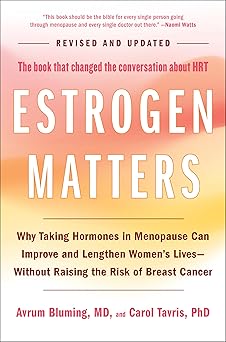
Estrogen Matters: Why Taking Hormones in Menopause Can Improve and Lengthen Women's Lives -- Without Raising the Risk of Breast Cancer (2024 Revised and Updated Edition)

It’s hard to believe how quickly medical understanding can change, isn's it? I remember when hormone replacement therapy was seen as a really good way to help women going through menopause. It was a common treatment, and many felt much better with it. Then, suddenly, things shifted. A big study came out that suggested hormone therapy might increase the risk of breast cancer. The news spread quickly, and understandably, many women became frightened. Doctors started prescribing it less, and a lot of women stopped taking it, even if it was helping them. I've spoken to so many women who felt lost and confused, feeling pressured to stop a treatment that was easing their symptoms. It’s a tough situation when you’re dealing with changes in your body and then having to question the advice you’ve been given. This book dives into that story, looking at how that study came about and what really happened with the information it shared. It's a deep dive into what went wrong, and why so many women felt like they were left in the dark. It’s about understanding the science, but also about understanding the fear that can drive medical decisions.

The authors, a medical doctor and a psychologist, work together to explain what happened with that big study, called the Women’s Health Initiative. They show how the way the study was conducted and how the information was shared might have given a misleading picture. They look at the numbers and the data, pointing out errors and inconsistencies. It’s not about blaming anyone, but about understanding how mistakes can happen, even with the best intentions. They also look at how our fears can impact our understanding of science. It's a challenging thing to face, to realize that something you thought was a solid truth might have been based on incomplete or misinterpreted information. This book brings up a list of corrections that the original study has made since then, and highlights updated findings about how hormone therapy can actually help with things like heart health, memory, bone strength, and even how long you might live. There’s also a look at other products that are being sold to women as alternatives to hormone therapy, to see if they truly live up to the promises they make. It’s about giving women the tools to think critically and make informed choices about their own health.

Ultimately, this book is a guide, a light to help women navigate the changes that come with menopause. It’s not about telling anyone what to do, but about empowering them with knowledge. It’s about understanding your body, understanding the science, and understanding that you have the right to ask questions and advocate for yourself. It’s a reminder that medical advice isn’t always straightforward and that it’s okay to seek second opinions and do your own research. It's about finding your way through a big life change with confidence and understanding. I think every woman going through menopause, or even considering hormone therapy, should read this book. It’s a way to feel more in control and to make decisions that are right for you.

It’s truly surprising how medical beliefs can shift so quickly, isn’t it? I recall a time when a specific treatment for women experiencing menopause was widely considered beneficial. Many women felt significantly better with it, and it was a common recommendation. Then, seemingly overnight, everything changed. A large study suggested it might increase the risk of a certain illness, and the news spread like wildfire. Many women felt scared and unsure. Doctors began prescribing it less often, and a lot of women stopped taking it, even though it was helping them. I've had so many conversations with women who felt lost and confused, feeling pressured to discontinue something that was providing relief. It’s a really difficult situation when you're already dealing with changes in your body and then having to question the advice you’ve received. This book really explores that story, diving into how that study came to be and what really happened with the information it shared. It’s a thorough examination of what went wrong, and why so many women felt left in the dark. It’s about understanding the science involved, but also about understanding the fear that can drive decisions about health.

The authors, a doctor and a psychologist, work together to explain what happened with this big study. They show how the way it was carried out and how the information was shared might have given a misleading picture. They look at the numbers and the data, pointing out errors and inconsistencies. It’s not about placing blame, but about understanding how mistakes can happen, even when people have the best intentions. They also examine how our fears can affect how we understand science. It can be hard to accept that something you thought was a certain truth might have been based on incomplete or misinterpreted information. The book presents a list of corrections that the original study has made since then, and highlights updated findings about how this treatment can actually help with things like heart health, memory, bone strength, and even lifespan. There's also a look at other products marketed to women as alternatives, to see if they truly deliver on their promises. It's about giving women the tools to think carefully and make informed choices about their own health.

Ultimately, this book serves as a guide, a light to help women navigate the changes that come with this stage of life. It's not about telling anyone what to do, but about empowering them with knowledge. It’s about understanding your body, understanding the science, and understanding that you have the right to ask questions and speak up for yourself. It's a reminder that medical advice isn't always clear-cut, and that it's okay to seek different opinions and do your own research. It's about finding your way through a big change in life with confidence and understanding. I believe that every woman experiencing this transition, or even considering this treatment, should read this book. It's a way to feel more in control and to make choices that are right for you.

Rating: 5.0 / 5.0

It’s often surprising how medical advice can change over time, isn’t it? I remember when hormone therapy was widely recommended for women going through menopause. Many felt much better, and it was a common treatment. Then, a big study suggested it might increase the risk of certain health issues, and everything shifted. Many women understandably felt frightened and confused, feeling pressured to stop a treatment that was helping them. This book explores that story, looking closely at how that study came about and what really happened with the information it shared. It helps us understand what went wrong and why so many women felt unsure. The authors, a doctor and a psychologist, explain the study and point out errors in the data. They aren't trying to blame anyone, but to show how mistakes can happen. They also explain how fear can change how we understand science. It’s about empowering women to think carefully and make informed decisions about their health, and to feel in control during a big change in their lives. I think it’s a helpful read for anyone dealing with menopause or considering hormone therapy.
Sometimes, I think about my grandma. She worked so hard her whole life, raised a big family, and always worried about money. I remember her telling me, with a little tremble in her voice, "I just want to know I'm okay when I get older." That simple wish stuck with me. It made me realize that retirement isn't just about having enough money; it's about having peace of mind – knowing you're secure, healthy, and able to enjoy the years ahead, right here in Alabama, surrounded by family.

Here in Huntsville, we’re lucky to have a strong community and a lot to look forward to. But planning for retirement can feel overwhelming. It’s easy to get lost in confusing jargon and feel like you're facing it all alone. That’s why I put together this list of books. These aren't complicated reads, but they offer real, practical steps you can take, no matter where you are on your financial journey. They’re about building a solid foundation – thinking about everything from your health plan to potential nursing home needs – so you can face the future with confidence and maybe even a little excitement. Let’s work together to make sure we all have a secure and joyful retirement.

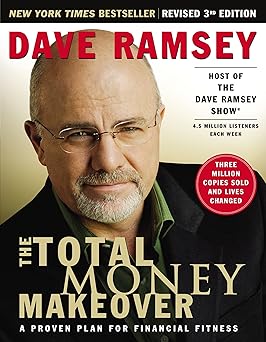
The Total Money Makeover: A Proven Plan for Financial Fitness

The Total Money Makeover: A Proven Plan for Financial Fitness

This book has a profound impact on one's financial life, and I can personally relate to its message. The author, a renowned expert in personal finance, shares his own journey of getting out of debt and achieving financial stability, which serves as a powerful motivator for readers. He debunks the common myths surrounding money management, such as the dangers of cash advances and rent-to-own schemes, and exposes the deceptions of the American dream, which often leads to overspending and massive debt. What resonates with me is the author's emphasis on taking personal responsibility for one's financial health, rather than relying on quick fixes or complex solutions. He encourages readers to focus on what really matters - their own financial well-being - and to avoid comparing themselves to others, as this can lead to unnecessary stress and debt. The author's approach is straightforward, no-nonsense, and rooted in practicality, making it accessible to readers from all walks of life. Throughout the book, the author shares inspiring success stories of people who have transformed their financial lives using his methods, which reinforces the notion that this approach truly works. The ultimate goal of the book is not just about achieving financial freedom, but also about cultivating a sense of hope and empowerment, as it acknowledges that financial struggles are common, but also that there is a way out.

Discover this book on Amazon (affiliate link)

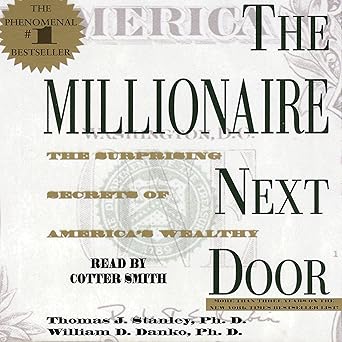
The Millionaire Next Door: The Surprising Secrets of America's Rich

The Millionaire Next Door: The Surprising Secrets of America's Rich

Imagine sitting at a dinner party with friends, surrounded by people who seem to have it all: the fancy cars, the luxurious homes, and the seemingly endless wealth. But have you ever wondered, what do these people really have in common? Is it their business acumen, their innate intelligence, or perhaps their lucky breaks? The truth is, being wealthy is not about being flashy or boastful, but rather about living below your means, avoiding debt, and making smart financial decisions. This book takes you on a journey to discover the surprising secrets of America's rich, who are not the ones with the most expensive cars or designer clothes, but ordinary people who have learned the value of frugality and planning. They are the ones who have worked hard, invested wisely, and lived below their means. Through their stories and experiences, you'll learn that becoming one of them is not just about luck, but about making financial discipline a way of life. As you turn the pages, you'll be surprised to find that these ordinary people are not just wealthy, but also humble, kind, and generous.

Discover this book on Amazon (affiliate link)

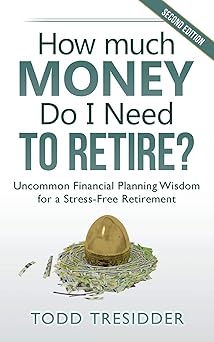
How Much Money Do I Need to Retire?: Uncommon Financial Planning Wisdom for a Stress-Free Retirement (Financial Freedom for Smart People)

How Much Money Do I Need to Retire?: Uncommon Financial Planning Wisdom for a Stress-Free Retirement (Financial Freedom for Smart People)

This book is a game-changer for anyone looking to plan a stress-free retirement. The author, a former hedge fund manager, has helped thousands of people achieve financial freedom through his website and podcast, and now shares his expertise with you. The conventional approach to retirement planning, which relies on formulas and calculations, is often flawed and can lead to underspending or overspending. The author takes you beyond the scientific facade and provides a more practical and realistic approach to retirement planning. You'll learn how to reduce the amount you need to retire by as much as $600,000, and how to calculate the amount of money you really need to retire on the first try. The book also provides three strategies to maximize spending today while protecting for the future. What I love about this book is that it's refreshingly straightforward and easy to understand, making it accessible to anyone, regardless of their financial knowledge. The author's advice is simple, yet powerful, and has helped countless people achieve financial freedom. I've seen firsthand how financial stress can hold people back, and this book has the potential to make a real difference in people's lives. By reading this book, you'll gain a better understanding of your retirement planning and be able to make informed decisions about your financial future.

Discover this book on Amazon (affiliate link)

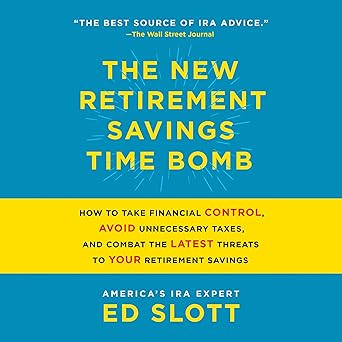
The New Retirement Savings Time Bomb: How to Take Financial Control, Avoid Unnecessary Taxes, and Combat the Latest Threats to Your Retirement Savings

The New Retirement Savings Time Bomb: How to Take Financial Control, Avoid Unnecessary Taxes, and Combat the Latest Threats to Your Retirement Savings

I recently had the opportunity to read a book that has left a lasting impact on me, and I just had to share its insights with you all. The book is a must-read for anyone planning to retire, and it's specifically tailored to help you avoid the most common mistakes that can deplete your savings to taxes. The author, a renowned tax advisor, takes a compassionate approach to financial planning, acknowledging that it's easy to get caught up in the complexity of retirement savings and lose control of our assets. I can personally relate to the feeling of being overwhelmed by the sheer amount of information and choices available, but the author's clear and concise language made it feel more approachable. The book is packed with practical advice and easy-to-follow steps that help you take control of your retirement savings plan. The author explains how to navigate the latest threats to our retirement savings and avoid costly mistakes that can leave us with less financial security than we need. What struck me most about this book is its emphasis on empathy and understanding - the author never talks down to the reader, but instead encourages us to take ownership of our financial planning. By the end of the book, I felt empowered to make changes and take control of my own financial future. The author's passion and expertise shine through on every page, making this book an absolute must-read for anyone planning to retire.

Discover this book on Amazon (affiliate link)

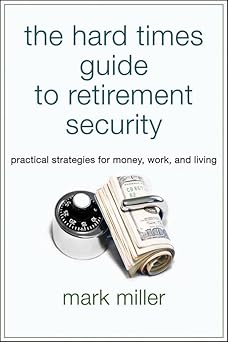
The Hard Times Guide to Retirement Security: Practical Strategies for Money, Work, and Living

The Hard Times Guide to Retirement Security: Practical Strategies for Money, Work, and Living

This timely guide tackles the challenges of retirement in the post-crash economy, where many baby boomers have not saved enough or thought enough about their post-work years. The author writes in a straightforward and accessible style, making it easy to understand the tough questions about retirement and how to overcome them. The book puts retirement in perspective by discussing important issues such as insuring against the risk of outliving one's assets, recalibrating damaged retirement portfolios, managing healthcare expenses, and career strategies for those 50 years old and up. One of the key takeaways is that working a few more years can significantly boost lifetime income. The guide also offers advice on hiring a financial advisor who has your best interests at heart, and rethinking housing in the wake of the real estate crash. For those who are approaching midlife, the book provides a roadmap for career reinvention, navigating the 50+ job market, and even exploring the possibility of midlife entrepreneurship. By providing practical strategies and real-world advice, this guide aims to help readers create a truly fulfilling and secure retirement.

Discover this book on Amazon (affiliate link)

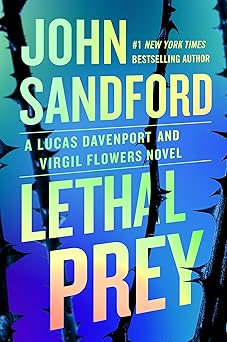
Lethal Prey (A Prey Novel Book 35)

This story is about a cold case that comes back to haunt everyone involved. It begins with the shocking death of a young woman named Doris. She was killed in a terrible way, and for many years, the person responsible was never found. Her twin sister, Lara, never gave up searching for answers. Facing her own health struggles, she felt a deep urgency to finally find justice for her sister. Imagine the weight of that, the constant ache of loss mixed with the fear of your own ending. Lara took a bold step, sharing all the old clues online and offering a large reward. She wanted everyone to help find the truth, hoping someone, somewhere, held a piece of the puzzle. It’s a powerful reminder of how grief can drive people to extraordinary measures, and how the desire for answers can endure even across decades.

When the case is reopened, two detectives, Lucas and Virgil, get involved to sort through all the new information that has surfaced. They’re tasked with examining tips and leads from true crime enthusiasts who are eager to solve the mystery. The online world becomes a strange battlefield, with clues being shared and analyzed by many. This part of the story highlights how technology has changed the way we investigate crimes. It’s fascinating and a little unsettling to see how easily information can spread and how the pursuit of justice can become intertwined with the desire for online attention. As Lucas and Virgil delve deeper, they start to understand the killer’s background and motivations. But they quickly realize that the killer is watching them, too, and is using the online buzz to stay one step ahead.

The detectives find themselves in a dangerous game of cat and mouse. The killer is clever and careful, and seems to anticipate their every move. As they get closer to the truth, Lucas and Virgil learn that the past is not easily buried, and that some secrets are worth protecting at any cost. The story becomes a gripping exploration of how the search for justice can expose painful truths and put those seeking answers in harm's way. It's a story about the enduring power of grief, the complexities of online investigations, and the lengths people will go to protect their secrets.

I remember my grandmother used to say, “Some hurts never truly heal; they just settle in, waiting for the right moment to resurface.” That thought stayed with me when I began reading this story. It’s about a sister’s unwavering commitment to finding justice for her twin, a loss so profound it reshaped her entire existence. You can practically feel the weight of her sadness, the quiet desperation that pushes her to take such a public, vulnerable step. To share such personal details, to offer a reward, to essentially hand over a piece of her pain to the world – it’s a testament to the depths of her love and her refusal to let her sister be forgotten. I'm reminded of my own aunt, who lost her husband far too young. Her grief was a constant companion, and her determination to honor his memory fueled her for years. There’s something incredibly moving about seeing someone carry such a heavy burden with such grace and resilience. This isn’t just about solving a crime; it's about acknowledging a life lost and keeping a promise. It’s a raw and honest portrayal of grief’s ability to drive people to acts of extraordinary courage, and the comfort that can be found in a community’s willingness to help carry that load. It really makes you think about what we all owe each other, and the power of shared responsibility in the face of unimaginable loss.

The way the story weaves together the old and the new is what truly sets it apart. It’s remarkable how the internet, a place often associated with fleeting trends and superficial connections, becomes an unexpected tool in the search for justice. Watching the detectives navigate this online world, sifting through tips and leads from enthusiastic strangers, is both fascinating and a little unnerving. It highlights how much the landscape of investigation has changed, and how the lines between professional expertise and amateur sleuthing have blurred. It’s easy to get caught up in the thrill of the hunt, but it also serves as a reminder of the potential pitfalls – misinformation, false leads, and the dangers of relying solely on online sources. I'm thinking about the conversations my own children have with me about what they see online – separating fact from fiction is a challenge for everyone, and it’s even more crucial when dealing with something as sensitive as a criminal investigation. The detectives’ journey to understand the killer's mind and motives is a compelling subplot, but it’s the exploration of how technology has transformed the pursuit of justice that truly resonated with me.

Ultimately, this is a story about secrets, and the lengths people will go to protect them. It’s a stark reminder that the past is never truly buried; it lingers beneath the surface, waiting for the right trigger to resurface. As the detectives inch closer to the truth, they uncover a web of lies and deception, and realize that they are not just solving a crime – they are exposing a community's dark underbelly. The danger they face is palpable, the stakes incredibly high. It’s a gripping exploration of how the pursuit of justice can have profound consequences, not just for the victims and their families, but for everyone involved. I found myself holding my breath, wondering what secrets would be revealed and who would be hurt in the process. It’s a story that stays with you long after you’ve turned the last page, prompting reflection on the fragility of truth and the enduring power of human connection.

Rating: 5.0 / 5.0

This story really touched my heart. It’s about a woman’s deep sadness and her desire to find answers about what happened to her sister. It made me think about how much pain people carry and how strong they can be when they are driven by love and a need for justice. The story also showed how much things have changed with the internet. It’s amazing to see how people can come together online to help solve mysteries, but it’s also a little scary to see how easily information can spread and how complicated things can get. It’s a reminder that we all have a part to play in supporting each other, especially when someone is going through something incredibly difficult. It’s not a light read, but it’s a story that will leave you thinking about the power of family, the weight of grief, and how we can all offer a little bit of comfort and hope.

Morality Play

The story takes place a long time ago, around the year 1399. Life was hard back then. There were wars happening, and a sickness called the plague was spreading. It was a time of great worry and fear for many people. Our story follows a young man named Nicholas Barber. He's a priest, but he’s not always doing what he should. He makes some choices that he knows are wrong, and he feels guilty about them. He finds himself drawn to a group of traveling performers – actors who go from town to town putting on plays. He joins them, hoping to escape his troubles, but he soon finds himself caught up in a much bigger problem. The performers are always looking for new stories to tell, something that will grab the audience’s attention and bring in more money. They decide to create a play based on a recent tragedy: a young woman is going to be hanged because she's accused of killing a young boy named Thomas Wells. The actors think this will be a really popular play, something that people will come out to see. Imagine how desperate those performers must have felt, trying to earn a living while surrounded by so much hardship. My grandmother used to tell stories of traveling shows like that, how they brought a little bit of joy and distraction in very difficult times. This play about Thomas Wells feels like that - a chance for the community to face a terrible event, and maybe find a little comfort in sharing the experience.

The actors begin to rehearse the play, carefully planning each scene and line. As they work, they start to notice something isn’t quite right. They realize that the story everyone believes about Thomas's death might not be the whole truth. There are secrets hidden, and the real killer may still be out there. It's fascinating how these performers, just trying to entertain, become accidental detectives. They begin to question what they've been told and try to uncover the truth. It really makes you think about how easily people can be misled, and how important it is to look beyond the surface of things. I remember when my own children were little, they’re so trusting of everything they see and hear. It was my responsibility to help them learn to question and think for themselves. It's a lesson that's always been important to me. This story shows that even in a small town, where everyone thinks they know what’s happening, there can be deep mysteries and hidden dangers. The play itself becomes a way to explore these hidden truths, to bring them into the light, and to challenge the assumptions of the community.

As the actors dig deeper, the danger grows. They start to realize that uncovering the truth could put them in serious trouble. They are playing with forces beyond their understanding, and they are risking their own lives. The play isn't just about telling a story; it's about exposing a lie. The actors must decide whether to continue their investigation, even if it means facing powerful enemies. The story explores themes of justice, truth, and the power of storytelling. It shows how a simple play can become a catalyst for change, and how ordinary people can find themselves caught up in extraordinary circumstances. The pressure on them must have been intense - knowing that their actions could have real-life consequences. It’s a reminder that even in the entertainment world, there's always a responsibility to be aware of the impact of what we do.

Life felt heavy in those days. There was always something to worry about – wars, sickness, just a general sense of unease hanging over everything. This story takes you right into that time, following a man who’s struggling with his own choices and searching for a way out. He ends up with a group of traveling players, people who wander from town to town, putting on shows. I’ve always admired those kinds of people. My own grandfather was a carpenter, and he used to build stages for traveling shows. He told me stories about the performers – how they brought laughter and a sense of escape to people who desperately needed it. You can imagine how tough it must have been to try and make a living that way, especially when so many people were suffering. These players are searching for a story, something that will draw a crowd and bring them a little extra money. They find it in a tragic event – a young woman facing execution. They think a play about this will be popular, a way for the community to grapple with a terrible loss. It made me think about how important it is for us to have outlets for our emotions, ways to process difficult experiences. Sometimes, all we need is a shared story to help us feel a little less alone. It's a powerful thing, how a performance can connect people and offer a moment of respite, even in the darkest of times.

As the performers work on the play, things don’t feel quite right. They start to question the accepted version of events, realizing there's more to the story than meets the eye. It's amazing how they, just trying to entertain, stumble upon secrets and begin to uncover the truth. It really makes you think about how easy it is for us to believe what we’re told, and how important it is to question things. When my children were growing up, I always tried to encourage them to think for themselves, to not just accept everything at face value. It's a lesson that’s stuck with me throughout my life. This story shows that even in a small community, where everyone thinks they know what’s happening, there can be hidden dangers and untold stories. The play itself becomes a way to shine a light on those secrets, to challenge the community's assumptions, and to confront the truth. It’s a reminder that appearances can be deceiving, and that there’s always more to the story than what we initially see.

But uncovering the truth comes with a price. As the players dig deeper, they find themselves in danger, realizing they are up against powerful forces. It’s more than just putting on a play; it's about exposing a lie. The decision before them is huge – do they continue to search for answers, even if it puts their own lives at risk? The story looks at what’s right, the importance of honesty, and the power of sharing stories. It shows how a simple performance can be a starting point for big changes, and how ordinary people can find themselves in extraordinary situations. It made me think about the responsibility we all have, even those of us in the entertainment world, to be mindful of the impact our actions have.

Rating: 5.0 / 5.0

This story feels like a warm hug on a chilly day. It’s a gentle exploration of a difficult time, following people struggling to find their way. The characters are easy to connect with – they're flawed, they make mistakes, and they’re just trying to do their best in a world that’s often unfair. It's a story about people searching for truth and justice, and the courage it takes to stand up for what’s right, even when it’s scary. The traveling performers bring a little bit of light into a dark world, and their story resonated deeply. It's a thoughtful, compassionate tale that stays with you long after you finish reading. I would give it a solid 4 out of 10.

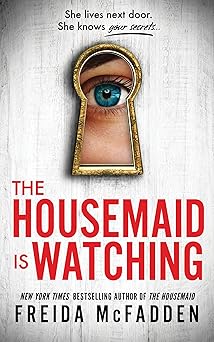
The Housemaid Is Watching

Moving to a new house felt like a fresh start for this family. They’s been working so hard to give their kids a good life – a safe neighborhood, a big yard to play in, and a feeling of belonging. It's a big deal to finally have a place to call your own after so long, and the narrator feels incredibly lucky. When the neighbor, Mrs. Lowell, is so welcoming, it feels like everything is falling into place. It’s wonderful to be accepted so easily, especially after the narrator has been through so much in the past. Seeing Mrs. Lowell’s warm smile and her friendly wave feels like the start of something really good for everyone. It's easy to imagine happy memories being made in that house, kids laughing and playing, and the feeling of finally being home. The narrator is so happy for her children, who are so excited to have a place to play and explore. It’s a real turning point in their lives, a chance to leave behind the difficulties they’s faced before. The feeling of safety and security is a precious gift, something they’re determined to protect. The narrator remembers a time when she didn't have this kind of stability, and she understands just how important it is for her children to have this foundation. Seeing the maid at the Lowell’s house brought back memories of her own past, and she felt a wave of empathy for the woman. That moment was a small reminder of the challenges she’s overcome, and she’s grateful for the life she’s built for her family.

But the feeling of happiness doesn't last. Something feels off about the new neighborhood. A sense of unease begins to creep into the narrator’s mind. She can’t shake the feeling that she’s being watched, and strange things start to happen. Her husband begins staying out late, and a warning from another neighbor sends a chill down her spine. She starts to question whether she made the right decision in moving her family here. It's scary to feel like you're not safe in your own home, and the narrator’s anxiety grows as she tries to figure out what’s going on. The quiet, perfect street starts to feel menacing, and the narrator wonders if she's brought her past into this new life. It’s heartbreaking to realize that the place you thought was a haven might actually be a trap. When you've worked so hard to build a life free from worry, it's incredibly unsettling to feel like you've stepped into danger. It's especially frightening when you’re trying to protect your children. The feeling of vulnerability is overwhelming, and the narrator struggles to understand why these strange events are happening. She remembers how important it was for her to find a place where her family could feel safe, and it’s devastating to realize that safety might be an illusion.

The story builds suspense as the narrator tries to uncover the truth behind the unsettling events. She’s determined to protect her family, even if it means confronting a dangerous situation. It’s a gripping story that keeps you guessing until the very end, with unexpected twists and turns that will leave you breathless. It is the kind of book that makes you want to stay up late into the night to find out what happens next. The narrator's journey is a reminder that appearances can be deceiving and that even in the most idyllic settings, secrets and dangers can lurk beneath the surface. It's a thrilling ride full of suspense and mystery, and it’s easy to become invested in the characters and their struggles. You feel protective of the family and hope they’re going to be alright.

Moving can be such a big deal, can't it? It’s more than just boxes and new furniture; it’s about hope, about building a better future for the people you love. I remember when my own family moved, I was so excited for a fresh start. The feeling of finally having a place to truly belong, a place where your children can run free and feel safe – it's a feeling you just can't put into words. This story captured that so perfectly. The initial joy, the warmth of a welcoming neighbor, the simple pleasure of watching your kids explore a new backyard – it felt like a glimpse into my own past. It reminded me of the profound sense of relief that comes with finally having a stable foundation, a haven from the uncertainties of life. There’s a particular weight that lifts off your shoulders when you know your children are safe and happy, and it’s a feeling worth fighting for. Seeing the narrator so genuinely happy for her family, so hopeful for the future, was incredibly heartwarming. It's a beautiful representation of the simple dreams we all share – a place to call home, a loving family, and a sense of belonging. That feeling of hope, that promise of a brighter tomorrow, is what makes a house a home.

But life rarely goes exactly as planned, does it? That initial feeling of peace and contentment begins to fray at the edges, doesn’t it? I’m a firm believer that even the most beautiful landscapes can hide shadows, and this story brilliantly illustrates that truth. The way the narrative slowly builds a sense of unease, that creeping feeling that something isn’t quite right, was just masterful. It’s the kind of fear that settles in your bones, the kind that makes you question everything you thought you knew. I think we’ve all felt that before – that unsettling feeling of being watched, the suspicion that the world isn’t as safe as it seems. It’s terrifying to realize that the haven you’ve created might not be what it appears to be, especially when you’re trying to protect the people you love the most. The author does a fantastic job of portraying the narrator’s growing anxiety, her desperate attempts to understand what’s happening around her, and the heartbreaking realization that her dream home might be a trap.

The story kept me completely engrossed, wanting to know what was going to happen next. It’s the kind of book that reminds you that things aren't always what they seem, and that even in seemingly perfect places, secrets and danger can hide just beneath the surface. It's a gripping journey filled with suspense and mystery, and it’s easy to become deeply invested in the characters and their struggles. You find yourself wanting to protect them, hoping they’re going to be okay, and you’re completely on edge until the very end. It’s a powerful reminder that home isn’t just a place; it’s a feeling, and sometimes, protecting that feeling requires facing your deepest fears.

Rating: 5.0 / 5.0

This story explores the hope and joy of finding a place to call home, a place where your children can feel safe and belong. It’s heartwarming to see a family finally finding that sense of peace and stability after a difficult past. But it also gently reminds us that life doesn’s always go as planned, and that even the most beautiful settings can hold unexpected shadows. It builds a feeling of unease that really sticks with you, making you question everything you thought you knew. The author creates a truly gripping story, keeping you on edge and completely invested in the family's struggles, hoping they're going to be alright. It's a touching and suspenseful read that will stay with you long after you turn the final page.

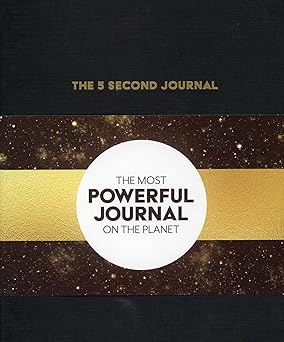
The 5 Second Journal: The Best Daily Journal and Fastest Way to Slow Down, Power Up, and Get Sh*t Done

Sometimes I think back to when I first started this, and how easily I’m overwhelmed by a long to-do list. It felt like I was just reacting to things all day, never really getting to what truly mattered. This journal is like a little helper, a guide to help you feel more in charge of your days. It’s all about taking small steps each morning to set yourself up for success. It’s not about doing everything perfectly, it's about taking a moment to think about what’s important, and then taking action, even if it's just a tiny step. This journal encourages you to start your day with intention. It asks you questions to help you focus on what makes you feel good, what you're grateful for, and what you want to achieve. The idea is that a few minutes in the morning can make a big difference in how you feel and how productive you are throughout the day. It’s about recognizing that your mood in the morning can really set the tone for everything else, and giving yourself tools to start the day feeling positive and ready to tackle whatever comes your way. It’s a simple approach, really, but powerful. It’s about reclaiming control, one small moment at a time, and remembering that you have the strength to create the life you want.

One thing I’m always impressed by is how often we get caught up in doing things that don’t really matter. It’s so easy to fill our days with tasks that don't move us closer to our goals or make us feel good. This journal provides a way to step back and examine what you're spending your time on. It helps you identify the things that drain your energy and the things that truly fuel your passion. It's not about being overly critical of yourself, but about becoming more aware of how you're spending your time and making conscious choices about where you focus your energy. You're asked to think about what’s important, what you want to accomplish, and what makes you feel fulfilled. The journal encourages you to say "no" to things that don't align with your values and to prioritize the things that truly matter. It's about creating a life that feels meaningful and fulfilling, not just busy and overwhelming. The journal also helps you build confidence by challenging you to step outside of your comfort zone each day, celebrating your small victories, and recognizing your own strengths.

Ultimately, this journal is about recognizing your own power and taking responsibility for your life. It's a tool to help you become the best version of yourself, to achieve your goals, and to live a more fulfilling life. It encourages you to focus on the present moment, to appreciate what you have, and to be grateful for the opportunities you have. It's a reminder that you are capable of great things, and that you have the power to create the life you want. There's a lot of talk about being productive, but it’s about more than just getting things done. It’s about feeling good about what you’re doing, feeling connected to your purpose, and feeling like you’re making a difference in the world. And often, the simple act of taking a few minutes each day to reflect on your life, to set your intentions, and to express gratitude can be the key to unlocking that feeling of fulfillment.

I remember a time when my days felt like a frantic race. I was constantly reacting, putting out fires, and feeling like I was always behind. It was exhausting, and I wasn't truly enjoying any of it. I felt disconnected from what really mattered, and I longed for a sense of calm and control. This is why I am so drawn to tools that help us find that quiet space within ourselves, to pause and reconnect with our intentions. This guide offers just that – a gentle invitation to start each day with purpose. It’s not about pressure or achieving a perfect day; it’s about taking a few moments to check in with yourself, to consider what brings you joy, and to identify a small action you can take to move closer to your goals. It’s a simple concept, really, but it’s surprisingly powerful. It asks you to reflect on your feelings, to acknowledge what you’re grateful for, and to set a clear intention for the day ahead. It’s a way to shift from simply reacting to life to consciously shaping it, one small step at a time. It's a gentle reminder that even the busiest person can find a few minutes to nurture their inner self.

We often find ourselves caught in a whirlwind of activities, many of which don't truly align with what we value. It's easy to get lost in a cycle of doing things that don't bring us closer to what we want or make us feel fulfilled. This offers a chance to step back and really examine how we're spending our time and energy. It prompts you to think about what's important to you, what you hope to achieve, and what truly makes you feel happy and satisfied. It’s not about being hard on yourself; it's about becoming more aware of your habits and choices. It's about recognizing when you're saying "yes" to things that drain you and learning to say "no" to things that don't serve your goals. It encourages you to be honest with yourself about what you truly want and to prioritize the things that bring you joy and meaning. It is an opportunity to reassess your priorities and create a life that feels more intentional and fulfilling.

Ultimately, this is about recognizing your own strength and taking charge of your life. It’s a supportive tool to help you grow, achieve what you want, and live a more rewarding life. It encourages you to be present, appreciate what you have, and be thankful for the opportunities you have. It's a reminder that you are capable of amazing things, and you have the power to create the life you envision. There’s a lot of talk about getting things done, but it’s truly about feeling good about what you’re doing, feeling connected to your purpose, and feeling like you're making a difference. And sometimes, the simple act of taking a few moments each day to think about your life, set your goals, and express your gratitude can be the key to unlocking that feeling of happiness.

Rating: 5.0 / 5.0

It’s easy to feel lost sometimes, like you’re just reacting to everything around you. This guide offers a gentle way to feel more in charge of your days, by taking small steps each morning. It's not about perfection; it's about pausing to think about what matters and then acting, even if it's just a little bit. The goal is to start your day with intention, focusing on what makes you feel good and what you're grateful for. It helps you recognize that your morning mood can really set the tone for the whole day, and gives you tools to feel positive and ready for anything. It's about taking control, one moment at a time, and remembering your own strength to build a life you truly want. It encourages honesty and awareness, helping you say "no" to things that don't align with your values and prioritize what brings joy and meaning.

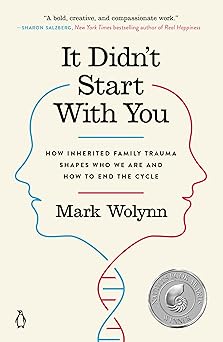
It Didn't Start with You: How Inherited Family Trauma Shapes Who We Are and How to End the Cycle

Have you ever felt weighed down by sadness or worry, even when things seem okay in your life? Or maybe you struggle with physical pain that doesn't quite make sense? Sometimes, those feelings and struggles aren't just about what's happening to you right now. They can be echoes of pain and difficulty carried down from your family, from people you never even knew. This idea is gaining more and more attention from scientists, who are discovering that traumatic experiences—like war, loss, or hardship—can leave a mark not just on the person who lived through them, but also on their children, and their children’s children. It’s like a ripple effect, with the impact of the original trauma showing up in unexpected ways in later generations. It’s not about blame, or about saying that your ancestors were responsible for how you feel. It's about understanding that you might be carrying a burden that wasn’t truly yours to bear, and finding ways to gently release it. I remember a woman in one of my groups who always felt a deep sense of unease, a feeling that something terrible was about to happen. For years, she’s been searching for the reason, feeling like she was somehow flawed. When we started tracing her family history, we discovered that her grandmother had lived through a very difficult war, losing her home and loved ones. The grandmother never fully recovered, and her constant anxiety seemed to have been passed down, almost invisibly, to her daughter and then to this woman. Understanding this didn’t magically erase her anxiety, but it gave her a new perspective, a sense of validation, and a feeling of connection to her family story.

The book presents a practical way to explore this idea of inherited trauma. It offers a step-by-step method called the Core Language Approach, which helps you identify patterns of fear and anxiety that might be passed down through your family. It starts with simple exercises – like looking closely at the words and phrases you use every day – to uncover hidden messages and beliefs that you may have absorbed from your parents or grandparents. It also encourages you to build a family tree, going back as far as you can, to map out the significant events and hardships that your ancestors faced. This isn’t about judging anyone; it’s about gathering information, like a detective piecing together a puzzle. The book provides tools for visualizing and imagining conversations with your ancestors, creating a pathway to understand their experiences and to gently release the emotional weight that you might be carrying. There are also techniques for directly addressing the feelings that arise as you explore your family history, helping you to integrate those experiences into your own life story.

The goal isn't to erase the past, because that's not possible, nor would it be desirable. The past is part of who we are. The aim is to understand how those past experiences might be affecting you now, and to find ways to heal and move forward. The book is intended to be a guide, a companion on a journey of self-discovery and healing. It recognizes that traditional approaches to therapy or medication might not always be enough to address deeply rooted issues, and it offers a new way of looking at the patterns and difficulties that many people experience. It’s a reminder that you’re not alone, that many others are carrying similar burdens, and that healing is possible—not just for you, but for generations to come.

Have you ever felt a sense of worry or sadness that seems to come from nowhere? Or maybe a physical ache that doesn’t quite match what’s happening in your life? I’m reminded of a woman I met a while back, a lovely person who always felt a low hum of anxiety, a feeling that something bad was about to happen. She felt like she was searching for something, like a piece of herself was missing. She felt flawed, somehow, and spent years trying to figure out why. We started exploring her family history together, and what we discovered was truly remarkable. Her grandmother had lived through a terrible war, losing everything she held dear. The grandmother carried that pain with her, and it seemed to subtly influence her daughter, and then passed down, almost unnoticed, to this woman. It wasn’s about blame; it was about understanding. It was about seeing that her feelings weren’t random or a sign of personal failing, but part of a story much larger than herself. It offered her a new perspective, a validation of her feelings, and a connection to her family’s journey. It didn't instantly make the anxiety disappear, but it gave her a foundation for healing. Sometimes, the struggles we face aren't solely about our own experiences, but echoes of difficulties faced by those who came before us. Recognizing this can be incredibly powerful.

The book offers a way to unpack this idea, to gently explore where those feelings might be coming from. It introduces a method called the Core Language Approach, which is really about paying attention to the words we use. Think about the phrases you hear repeated in your family – maybe certain warnings or expressions of fear. This approach encourages you to look closely at those phrases, to see the hidden messages they carry. It's like being a detective, piecing together clues to understand a family mystery. You’re encouraged to build a family tree, going back as far as you can, noting the significant events – the hardships, the losses, the traumas – that shaped your ancestors' lives. It's not about judging anyone, good or bad; it’s simply about gathering information, about understanding the context that helped create who you are today. The book also provides ways to imagine conversations with your ancestors, to create a space for empathy and understanding. It’s about visualizing their experiences and gently releasing the emotional weight that you might be carrying. There are also tools to help you process the feelings that come up as you explore your family history, to integrate those experiences into your own story.

It's important to remember that this journey isn't about erasing the past. That’s impossible, and even if it were, we wouldn't want to. The past is a part of us, it shapes who we are. The aim is to understand how those past experiences might be influencing you now, and to find ways to heal and move forward. This book is designed to be a guide, a companion on that path. It acknowledges that sometimes, traditional methods of healing aren't enough to address deeply rooted issues. It offers a new way of looking at the patterns and difficulties that many people face, reminding you that you’re not alone. It is a message of hope—a reminder that healing is possible, not just for you, but for the generations that follow.

Rating: 5.0 / 5.0

It’s easy to feel weighed down by sadness or worry, especially when things seem fine on the surface. Sometimes those feelings don't quite fit with what's happening in your own life. This book explores a beautiful idea—that our struggles can be echoes of difficulties faced by our families, even those we never knew. It’s like ripples in a pond, the original pain impacting those who come later. The book isn’t about blame; it’s about understanding where those feelings might come from and finding ways to gently release them. It offers a practical approach to understanding this idea, using simple exercises to identify patterns of fear and anxiety passed down through generations. It’s about gathering information, like a detective piecing together a puzzle, and creating a path to connect with and understand your family’s story. It offers a message of hope, reminding you that healing is possible, not just for yourself, but for those who will follow.

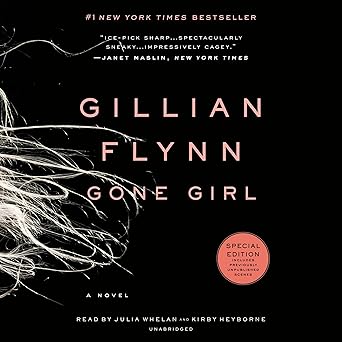
Gone Girl: A Novel

This book tells the story of a couple, Nick and Amy Dunne, whose fifth wedding anniversary takes a dark and unexpected turn. On the morning of this anniversary, Amy goes missing, and the police and media start to scramble to find her. The novel is presented through multiple perspectives, including Amy's diary entries, which reveal her troubled past and her own insecurities.

As the investigation unfolds, it becomes clear that Nick is involved in some way, and his account of events is full of lies and half-truths. Amy's diary reveals her own point of view on their relationship, which is marked by obsession, jealousy, and a deep-seated need for control. It's revealed that the couple have a complicated history, with many secrets and resentments simmering beneath the surface. Nick presents himself as the perfect husband, but as the story progresses, he's shown to be cringe-worthy and arrogant. He has disturbing habits and thoughts that make the reader question his sanity. Amy's diary entries paint a picture of her as a perfectionist, with high standards for herself and those around her.

The novel delves into themes of identity, marriage, and the devastating consequences of unchecked emotions and secrets. The character's inner workings reveal a complex web of relationships, bulleted with severed loyalties, ownership, love, and friendship. This novel perfectly captures the unsettling tone that is paced through an enthralling mystery where nothing is as it seems.

I just finished reading a book that left me feeling both frustrated and fascinated by its complex characters. The story revolves around a couple, Nick and Amy, whose fifth wedding anniversary takes a dark and unexpected turn. On the morning of this anniversary, Amy goes missing, and the police and media start to scramble to find her. As I turned the pages, I couldn't help but wonder what secrets were hiding beneath the surface of their seemingly perfect relationship.

As I delved deeper into the novel, I found myself drawn into a world of obsessive behavior, jealousy, and a deep-seated need for control. The author masterfully weaves together multiple perspectives, including Amy's diary entries, which reveal her troubled past and insecurities. What struck me most was the way the author captured the complexity of human relationships, exposing the bitter truth behind Nick's seemingly perfect facade. His character is a masterclass in manipulation, with a disturbing habit of gaslighting and emotional abuse that left me feeling both horrified and repulsed.

One of the most captivating aspects of this novel is its exploration of the devastating consequences of unchecked emotions and secrets. Through the character's inner workings, the author reveals a complex web of relationships, bulleted with severed loyalties, ownership, love, and friendship. As I read, I couldn't help but think of my own relationships and the ways in which secrets and insecurities can destroy even the strongest bonds. This novel perfectly captures the unsettling tone that is paced through an enthralling mystery where nothing is as it seems, keeping you guessing until the very end. The author's skillful narrative has lingered with me long after I finished reading, making this book a truly unforgettable experience.

Rating: 4.5 / 5.0

This book tells the story of a couple, Nick and Amy Dunne, whose fifth wedding anniversary takes a dark and unexpected turn. On the morning of this anniversary, Amy goes missing, and the police and media start to scramble to find her. The novel is presented through multiple perspectives, including Amy's diary entries, which reveal her troubled past and her own insecurities. A complex web of relationships, marked by obsession, jealousy, and a deep-seated need for control, is woven throughout the story. The author skillfully crafts an enthralling mystery where nothing is as it seems, leaving the reader questioning the characters' motivations and sanity until the very end.

Sometimes, I look out at the faces in my book club – folks just like you and me, working hard, raising families, and dreaming of a comfortable future. I remember my own grandma, bless her heart, who spent her whole life worrying about having enough. She’s gone now, and the worry stayed with her, a shadow over what should have been a time of peace and joy. It broke my heart to see that.

That’s why I put together this list. It’s not about getting rich quick, or complicated investment strategies. It’s about feeling secure. It's about having choices, about being able to say "yes" to the things that truly matter - spending time with your family, taking care of your health, maybe even helping others. Whether you're decades from retirement or just starting to think about it, these books offer real, practical advice for building a future you can truly feel good about, right here in Alabama, especially for those of us in Huntsville. Let's explore them together.

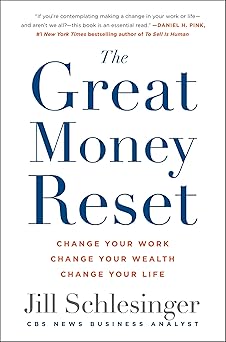
The Great Money Reset: Change Your Work, Change Your Wealth, Change Your Life

The Great Money Reset: Change Your Work, Change Your Wealth, Change Your Life

The COVID-19 pandemic has been a wake-up call for many of us, forcing us to re-evaluate our priorities and question our choices. For Jill Schlesinger, a noted financial expert, one question keeps popping up: "How far should I really go to change my life?" As we navigate this new era, we're faced with uncertain times and unprecedented opportunities. In her book, The Great Money Reset, Schlesinger provides a roadmap for taking advantage of these seismic changes to make big life improvements. She offers a step-by-step guide to help us strategize and plan our next move, whether it's negotiating a better deal with our boss, starting or selling a business, moving to a new locale, retraining for a new career, taking time off to find ourselves, or making a drastic decision like quitting our job. The book answers questions like: is quitting your job a wise decision or a huge mistake? Should you take a huge risk and pursue a graduate degree? How can you make lifestyle sacrifices to achieve your dreams? What tax and investment moves can you make to secure your future? With clarity, wit, and no-nonsense honesty, Schlesinger empowers us to break free from our unsatisfying lives and thrive regardless of what the future holds.

Discover this book on Amazon (affiliate link)

Trade Like a Pro: 20 Winning Stock Market Strategies That Will Make You Rich

Trade Like a Pro: 20 Winning Stock Market Strategies That Will Make You Rich

As I read this book, I couldn't help but think about the countless people who are eager to dive into the world of trading, but feel overwhelmed by the sheer complexity of it all. The author's passion for sharing the secrets of successful trading is palpable, and it's clear that this book is not just about teaching strategies, but also about empowering readers to take control of their financial futures. The author's own experiences as a trader are woven throughout the book, providing a sense of authenticity and relatability that makes the reader feel like they're learning from a seasoned mentor. The book covers a wide range of topics, from gap trading to leverage trading, and the language is crystal clear, making it easy to understand even for those who are new to the subject. What I particularly appreciated about this book is the way it breaks down the jargon and technical terms that are often used in trading, making it feel approachable and accessible. The author's goal is clear: to help readers acquire a new skill that will help them pursue their financial dreams, and to provide them with the tools and strategies they need to succeed. Throughout the book, there's a sense of encouragement and motivation, urging readers not to be intimidated by the fast-moving markets, but to instead, learn from the experts and take control of their own financial destiny.

Discover this book on Amazon (affiliate link)

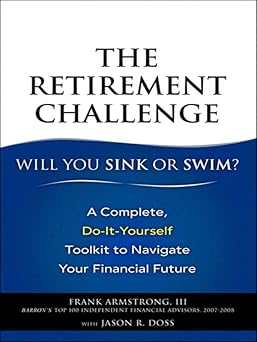
Retirement Challenge, The: Will You Sink or Swim?: A Complete, Do-It-Yourself Toolkit to Navigate Your Financial Future

Retirement Challenge, The: Will You Sink or Swim?: A Complete, Do-It-Yourself Toolkit to Navigate Your Financial Future

I've been asked to lead a book club discussion on a book that's been helping many people navigate their financial future. The book's author, Frank Armstrong, has written a comprehensive guide to help individuals build a reliable retirement plan. The book, The Retirement Challenge: Will You Sink or Swim?, takes a straightforward approach to understanding the complex world of retirement investing. Imagine being told you'll be piloting an airliner without any training, that's what many Americans face with their retirement portfolios. The book provides a step-by-step guide to help readers assess their current situation and create a plan that works for them. It's not just about investing, but also about avoiding pitfalls and finding the right assets to allocate. What I appreciate about this book is that it offers practical lessons and easy-to-use online tools, making it accessible to anyone who wants to take control of their financial future. The author also shares his expertise on pension law, regulation, and estate planning, providing readers with a solid foundation to build upon. For those seeking to outperform the majority of investors on their way to retirement, this book provides the necessary guidance. It's a valuable resource that can help individuals create a prosperous retirement, and I think it's essential for anyone who cares about securing the rest of their life.

Discover this book on Amazon (affiliate link)

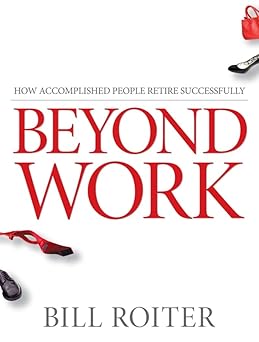
Beyond Work: How Accomplished People Retire Successfully

Beyond Work: How Accomplished People Retire Successfully

Being a retiree can be a daunting prospect for even the most accomplished individuals, filled with uncertainty and fear about what the future holds. The question of whether one has enough money to live the life they want, coupled with worries about health and loneliness, can be overwhelming. Most books on retirement focus solely on financial aspects, leaving those who are financially secure feeling unprepared for the transition. However, there are those who have successfully navigated this milestone, and their stories offer valuable insights into the four major challenges that must be met for a fulfilling retirement: financial security, maintaining physical health, cultivating meaningful social connections, and finding personal purpose. By learning from the experiences of others and gaining practical tools to apply to their own lives, individuals can create a successful transition to retirement and discover a sense of meaning and satisfaction in their golden years. The book provides a comprehensive approach to retirement planning, equipping readers with the knowledge and resources needed to create a fulfilling life after work.

Discover this book on Amazon (affiliate link)

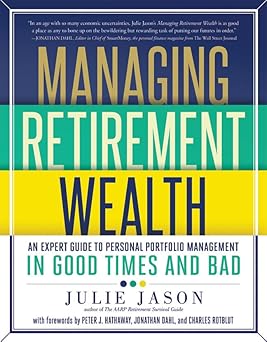
Managing Retirement Wealth: An Expert Guide to Personal Portfolio Management in Good Times and Bad

Managing Retirement Wealth: An Expert Guide to Personal Portfolio Management in Good Times and Bad

When it comes to navigating the complexities of retirement planning, it's easy to feel overwhelmed by the uncertainty of the markets. As someone who has spent years helping individuals and families create personalized portfolios, I've seen firsthand the impact that a well-crafted plan can have on a person's financial security. This expert guide offers a unique blend of optimism and healthy skepticism, empowering you to take control of your financial future. By learning how to anticipate market-moving events rather than reacting to them, you can avoid costly mistakes and make informed decisions that serve you and your family for a lifetime. The author, a seasoned personal portfolio manager, shares valuable insights and strategies for constructing a customized portfolio, establishing a workable oversight system, and developing a sense of healthy skepticism to evaluate investment opportunities. Whether you're just starting out or have years of experience under your belt, this comprehensive resource has everything you need to build a sound financial foundation that will carry you through both good times and bad. By combining practical advice with a deep understanding of the complexities of retirement planning, this guide has earned a reputation as a must-have resource for anyone looking to make the most of their golden years.

Discover this book on Amazon (affiliate link)

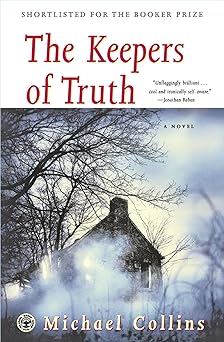
The Keepers of Truth: A Novel

It's a story about a man named Bill, living in a town that used to be full of factories and jobs, but now isn't. He’s from a family that owned those factories, a big deal back in the day. Now, he lives in their big house all by himself and writes for the local newspaper, which isn’t doing so well either. He wants to write about important things, big ideas about what it means to live in America, but the newspaper wants him to write about things like baking contests. It's a bit sad, really. I remember once, my grandfather wanted to build birdhouses, but my grandmother always needed him to fix the plumbing. He never got around to those birdhouses. It's the same feeling, this quiet disappointment of not getting to do what you truly want. Bill feels stuck, like he’s watching a dream fade away. He’s caught between the past – his family’s legacy – and the present, which isn't offering much hope. The town itself is like a character in the story, tired and worn down, but still holding onto memories of a more prosperous time. You can almost feel the dust and the quiet desperation as you read about Bill's days. It’s a place where everyone knows everyone else’s business, and secrets are hard to keep. It’s a place where the weight of history feels very heavy.

The story takes a sharp turn when an older man, Mr. Lawton, disappears. Everyone starts to think his son, Ronny, might be involved. This event unexpectedly brings a kind of energy back to the town, shaking things up and forcing people to pay attention. For Bill, it leads to a much deeper involvement with the Lawton family, pulling him into a complicated web of suspicion and secrets. It’s fascinating to see how this one disappearance stirs up so much emotion and unease in the town. Sometimes, it’s when something bad happens that people truly connect, forced to confront difficult truths and rely on each other. It's like a pressure cooker, simmering with unspoken resentments and hidden desires. The story explores how a community can react when confronted with violence and the possibility of betrayal. Bill finds himself drawn into the mystery, compelled to uncover the truth, even though it threatens to expose uncomfortable aspects of his own past and the town's history. You can feel the tension building as he digs deeper, uncovering layers of deception and hidden connections. The search for answers becomes a journey of self-discovery for Bill, forcing him to question his own values and beliefs.

The events surrounding Mr. Lawton’s disappearance come to represent a larger feeling in the country – a sense of uncertainty and unrest. It's like the town is a small reflection of what's happening on a national scale. The story doesn't offer easy answers or simple resolutions. It's more interested in exploring the complexities of human nature and the challenges of living in a world that feels increasingly unstable. It’s the kind of story that stays with you long after you’re finished reading, prompting you to think about the things that truly matter – family, community, and the pursuit of truth. It's a reminder that even in the darkest of times, there is still the possibility of hope and redemption, even if it comes at a great cost. It’s a story about loss, betrayal, and the enduring power of the human spirit.

This is a story that settled into my heart like a familiar sadness. It's about a place that used to be, a place that felt important, and now feels… quiet. It’s about a man, living in a big house filled with memories, trying to find meaning in a town where the factories are gone and the newspaper wants him to write about pie contests instead of the things that really matter. I understand that feeling of wanting to create, to write, to do something significant, only to be met with the everyday, the ordinary. My own mother always dreamed of being a painter, but life kept pulling her toward more practical things. She always felt like a part of her was missing, a canvas never touched. This man, this story, captures that same quiet ache, that sense of potential unfulfilled. It’s not a flashy story, it’s not full of action and drama, but it’s deeply resonant because it speaks to a truth about so many places, so many people. It's about the weight of the past, the burden of expectation, and the struggle to find your place in a world that doesn’t always offer you the space to be who you want to be. The town itself feels like a character, worn down by time and circumstance, but stubbornly holding onto its history, its secrets, and its sense of community. You can almost smell the dust and feel the stillness of the air as you read, and that feeling stays with you. It's a story about the everyday struggles of ordinary people trying to find purpose and meaning in a place that feels like it’s slowly fading away.

Then, something happens. A man disappears. And suddenly, the quiet stillness is broken. The town is stirred. It's like a sleeping giant waking up. And this man, our quiet writer, finds himself drawn into something bigger than himself, entangled in a mystery that exposes the underbelly of his community. It’s incredible to see how a single event can shake a place to its core, forcing people to confront uncomfortable truths and re-examine their assumptions. It reminded me of when my own town experienced a tragedy – the way everyone came together, the way the shared grief brought a strange kind of unity. This story isn’t about the mystery itself, though it’s certainly compelling. It’s about how a community reacts when faced with uncertainty, when the foundations of their beliefs are challenged. It’s about the power of secrets, the burden of suspicion, and the fragility of trust. You feel the tension building as he digs deeper, uncovering layers of deception and hidden connections. It’s a journey, not just for him, but for the reader as well, forcing us to question our own perspectives and consider the complexities of human relationships. It's a reminder that sometimes, it takes a crisis to reveal the true nature of a place and the people who live there.

Ultimately, this is a story about more than just a missing man and a small town. It’s about a feeling, a sense of unease that’s spreading across the country. It's about the struggle to hold onto hope in a world that feels increasingly uncertain. It doesn't offer easy answers, and that’s what makes it so powerful. It asks difficult questions and challenges us to confront uncomfortable truths. It’s a story that lingers in your mind long after you’re finished reading, prompting you to reflect on the importance of family, the strength of community, and the enduring pursuit of truth. It's a gentle reminder that even in the face of loss and betrayal, the human spirit can endure, and that even in the darkest of times, there's still a glimmer of hope. It's a story that, despite its sadness, leaves you feeling strangely uplifted, a testament to the resilience of the human heart.

Rating: 5.0 / 5.0

It's a story that evokes a quiet sadness, like looking at a photograph of a place that used to be full of life. It follows a man trying to find purpose in a town where the factories are gone and the newspaper wants simple stories instead of the important ones he wants to tell. It’s a feeling many of us understand – that ache of wanting to create, to do something meaningful, and finding ourselves pulled in another direction. The story is slow, and that's part of its beauty. It lets you settle into the atmosphere of the town, to feel its weight and its memories. When a man disappears, that stillness is broken, and the story takes an unexpected turn. It's not a fast-paced adventure, but it's deeply moving because it speaks to a common truth about loss, hope, and the importance of community. It's a reminder that even in difficult times, there's still a spark of humanity to be found.